Hap Ga 7th Instructors Workshop 2026
Interview for Tai Chi Union Magazine about Tai Chi for Combat (2022)
October 3, 2022Musings Whilst Wandering in Vietnam
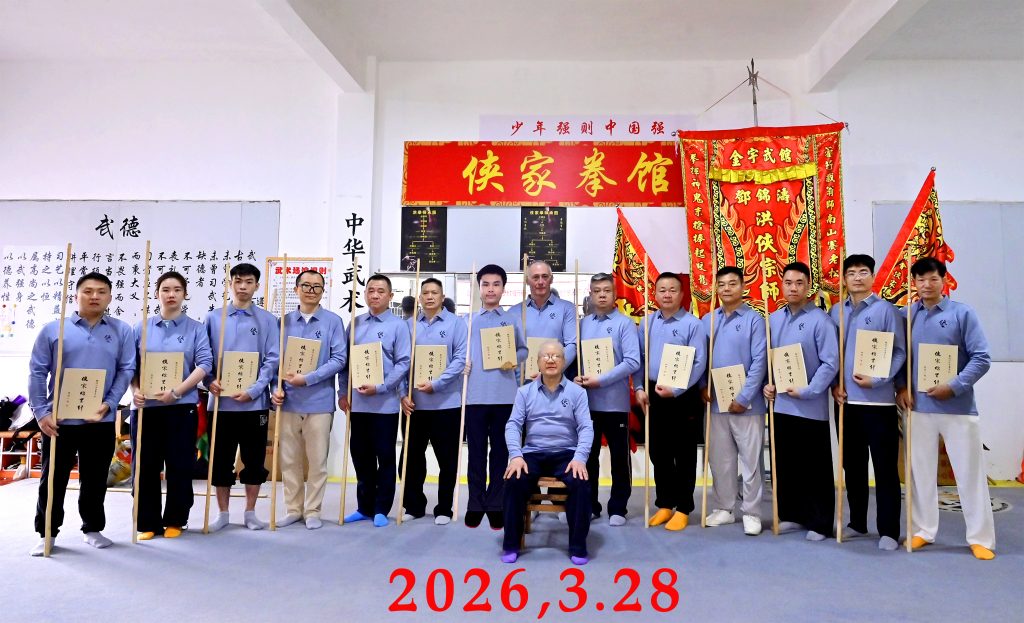
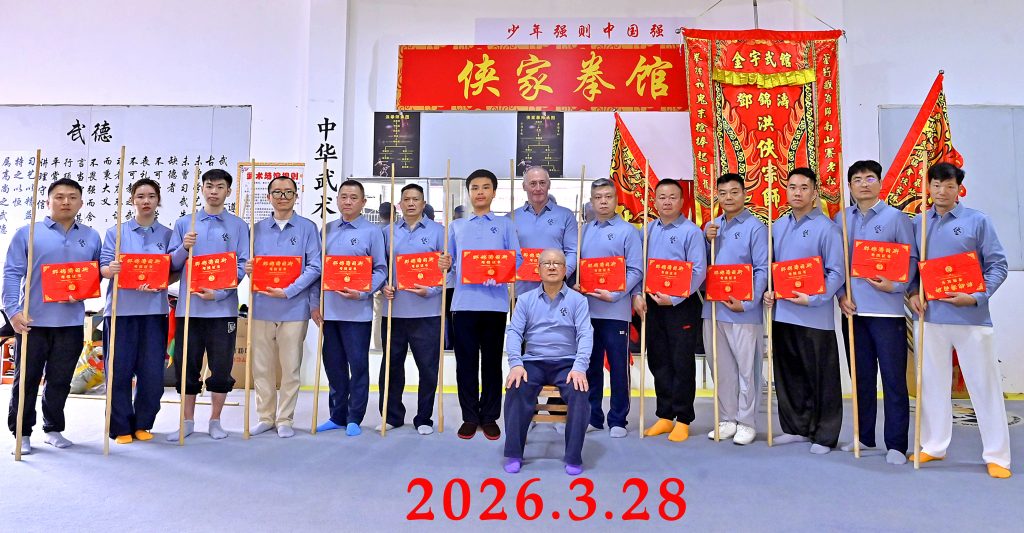
April 10, 2026I have just completed the 7th Hap Ga Instructors Workshop. Deng Sifu is in his eighties now, and hinted that this may be the final workshop.
He has been using these workshops to bring up the standard of the teachers and to standardise the curriculum.
Each time he produces a book, with photos and movement names to accompany the workshop.
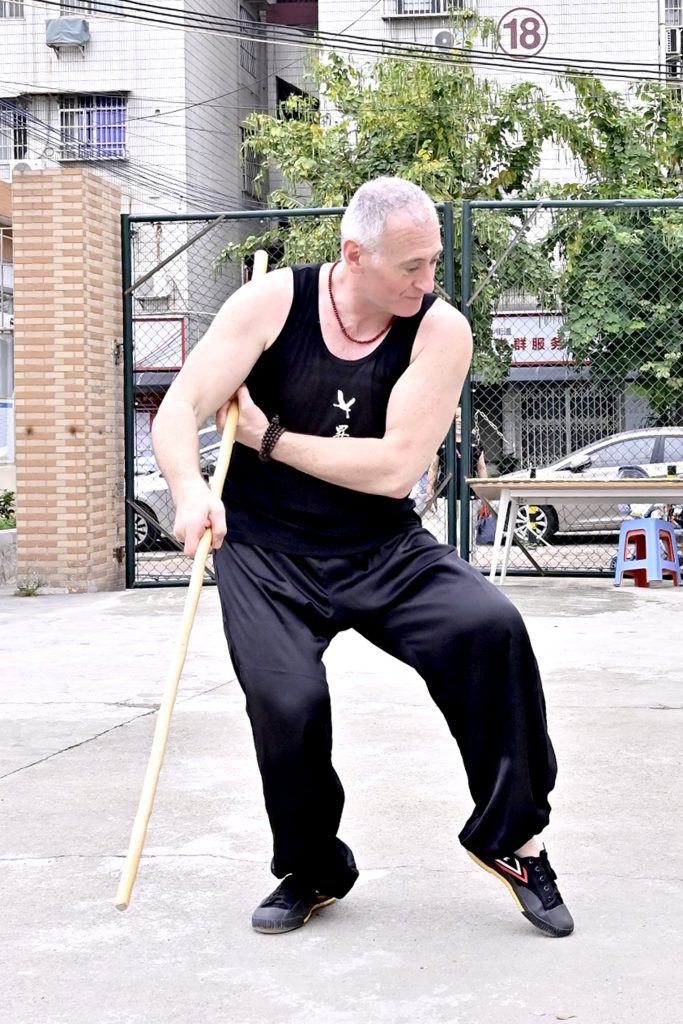
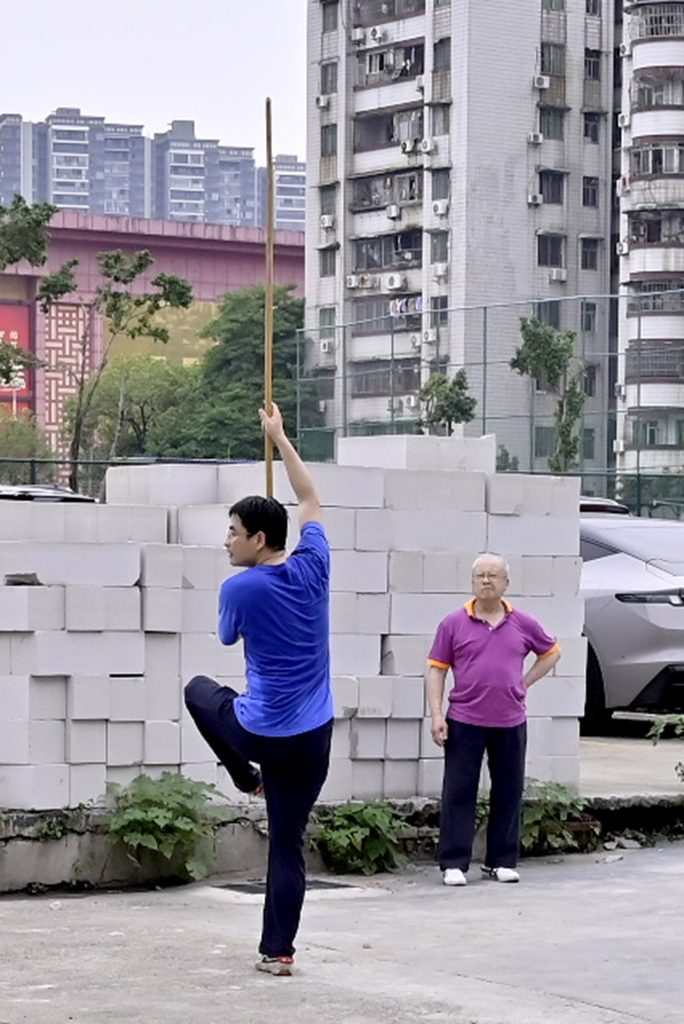
We did two days of the ‘Bac Bin Jeung’ second form, this time using a longer stick.
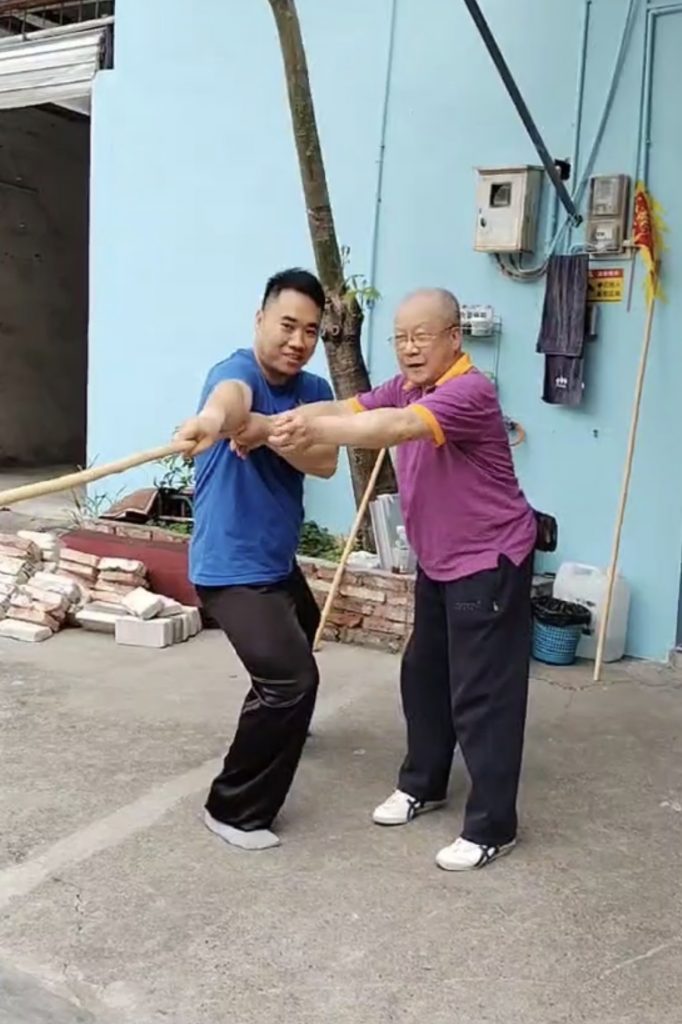
This was a good opportunity for him to share some of his grandfathers ‘Southern Shaolin'(Hung Kyun) stick, as well as some Northern style stick techniques.
Emphasis, as always, is on : i) usage and practical application, ii) Health and wellbeing, iii) Performance of the routine.
These are the ‘Three pillars of Kung Fu’-
Without the first, it is merely ‘dancing’.
Without the second- you will not have a good quality of life.
The third is art, culture and tradition- without which, life has no flavour!
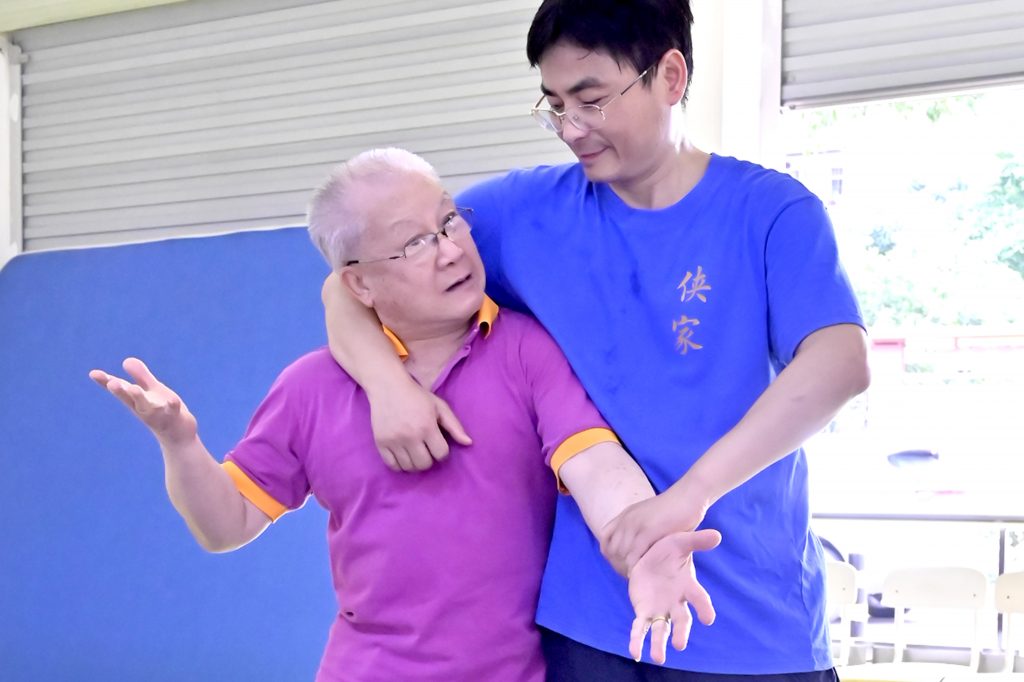
Sifu taught how the movements can adapt from empty hand, to short weapon to long weapon: Same principles- different applications.
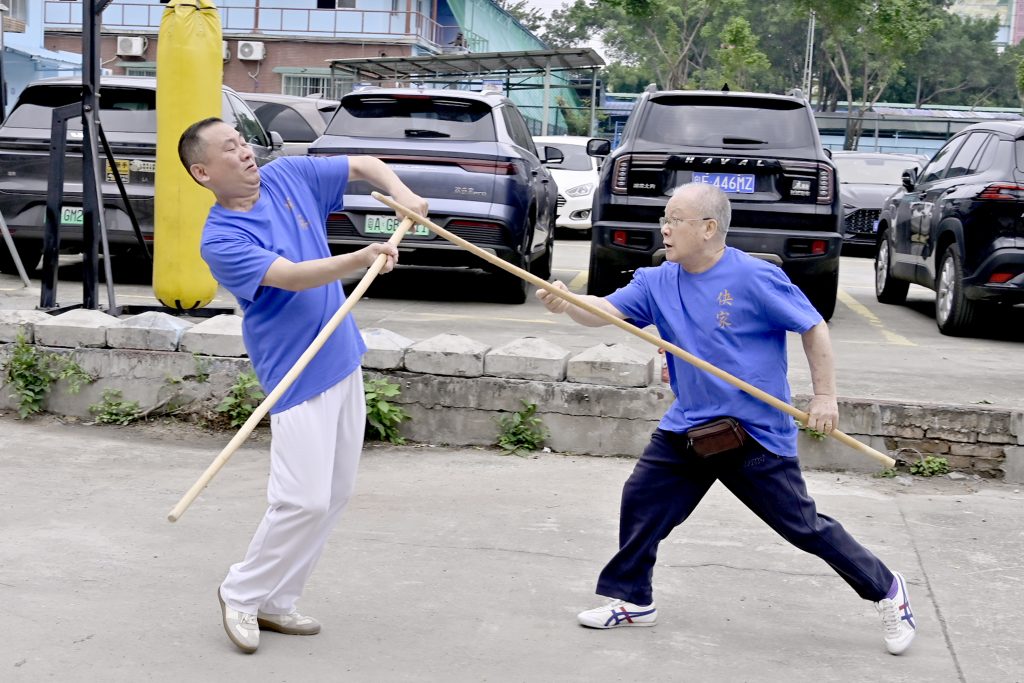
I love to see him with a stick- his grandfather was called the ‘Canton Stick King’- straight out of a ‘Shaw Brothers’ Movie! Then he shows the ‘real fighting applications’ and the moves are complete functionality and he drops the performance and it’s scary.
Here is his philosophy in a nutshell:
1) Your practise should make you feel good, enhance health and well being (Chi Kung, Breathing, mobility etc.)
2) It should have a nice aesthetic and ‘spirit’- rhythm, eyes, body, hand, weapon, stance and hips all in harmony. 3) You need to know the application of every movement otherwise the ‘intent’ will be missing and its just dance or exercise, not ‘Kung Fu’.
(You should be able to perform your Kung Fu/Tai Chi in three distinct ways, depending on the intent of the session.)
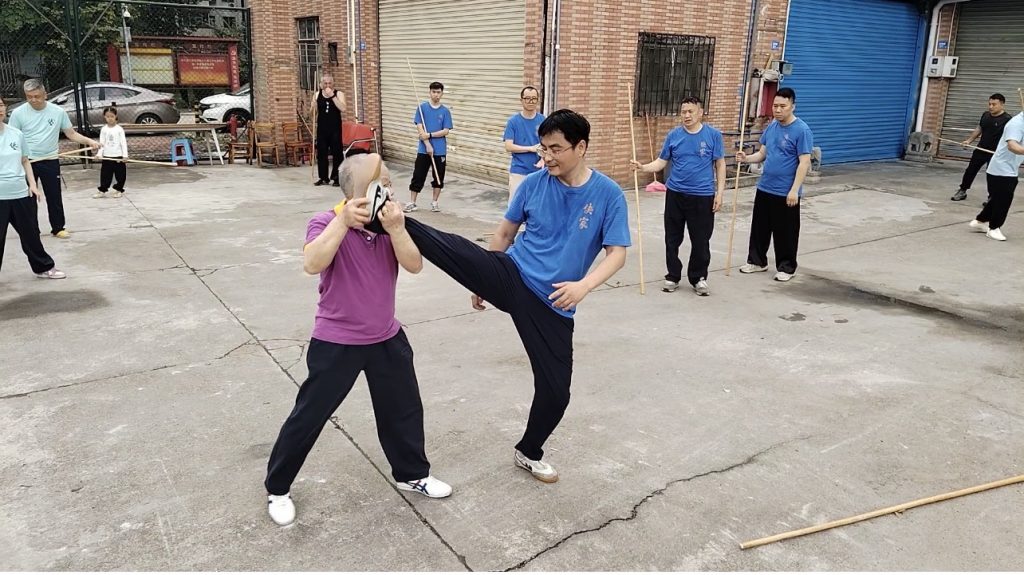
4) Learning the routines itself does not give you fighting skill. Many people can perform the routines convincingly, and then not be able to use it in a real situation. You must train the individual moves both solo and with a partner- working on power generation, distance and timing, and then gradually introduce more realistic ‘san sau’ (Free fighting) practise to gain experience, develop confidence, strategy and reflexes.
Screenshot
Screenshot